

The future of entrepreneurship is not only shaped by the ideas created, but also by the systems built to support those ideas. For startups to grow, innovate, and create meaningful impact, there must be strong foundations that provide guidance, resources, and opportunities along the journey.
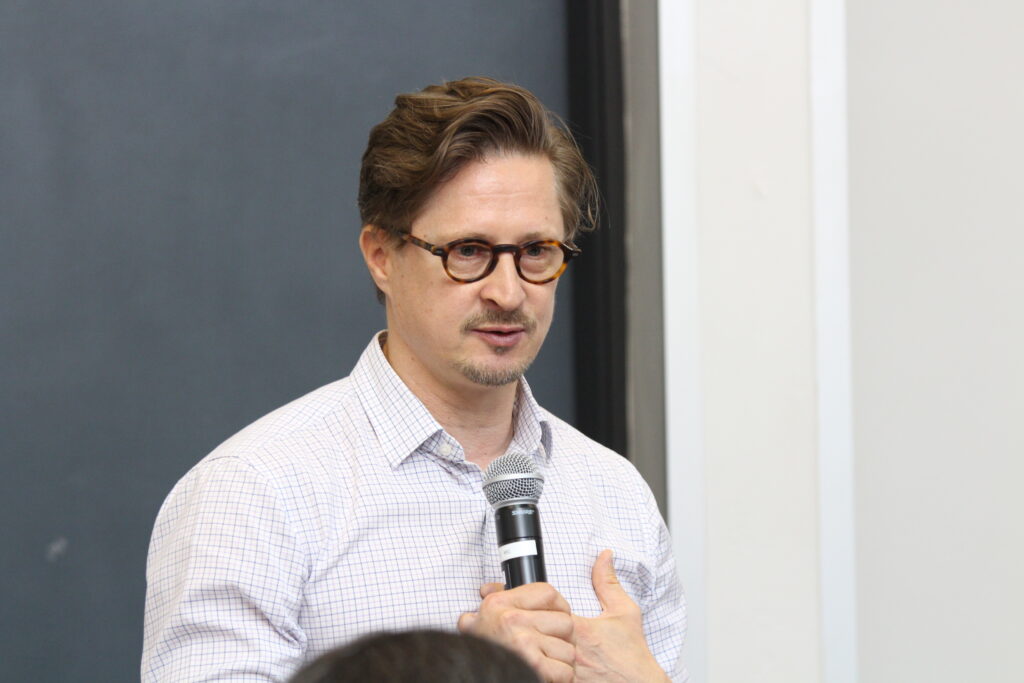
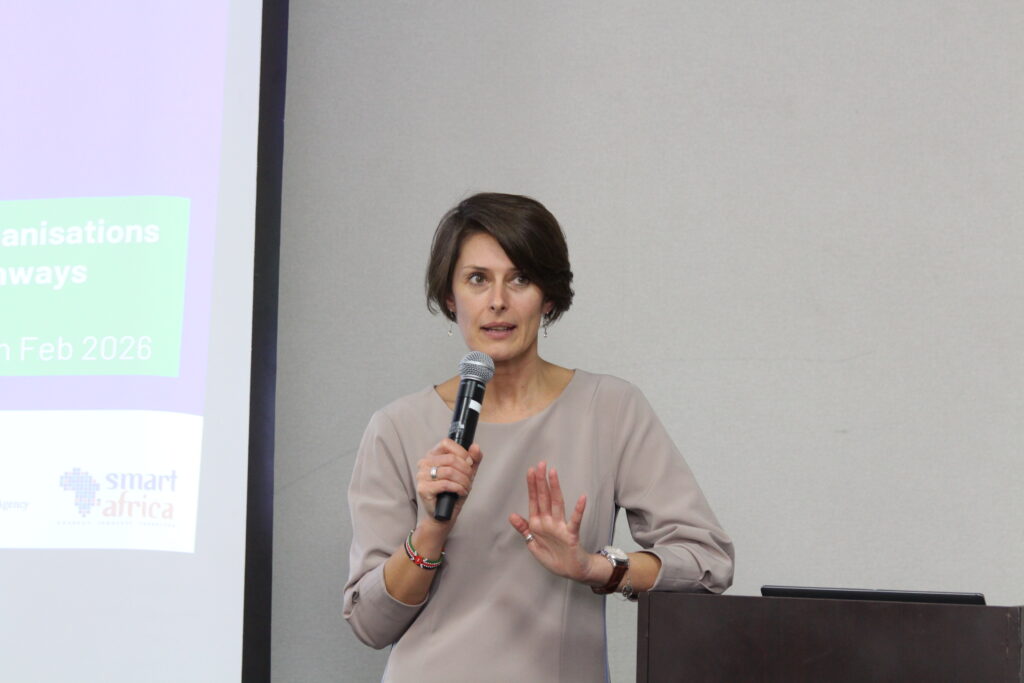
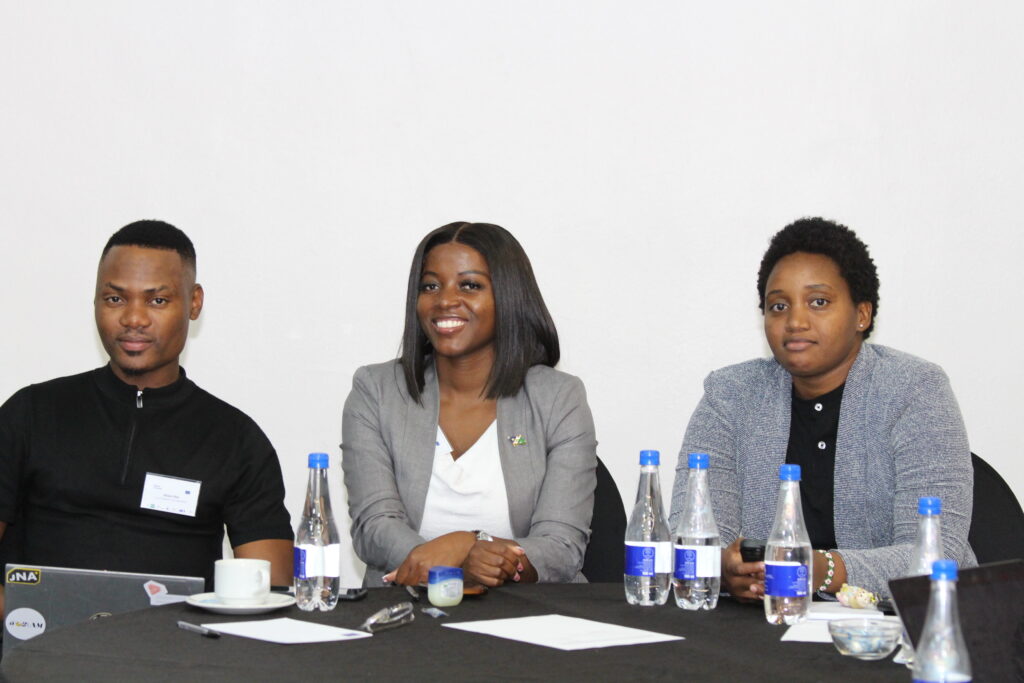
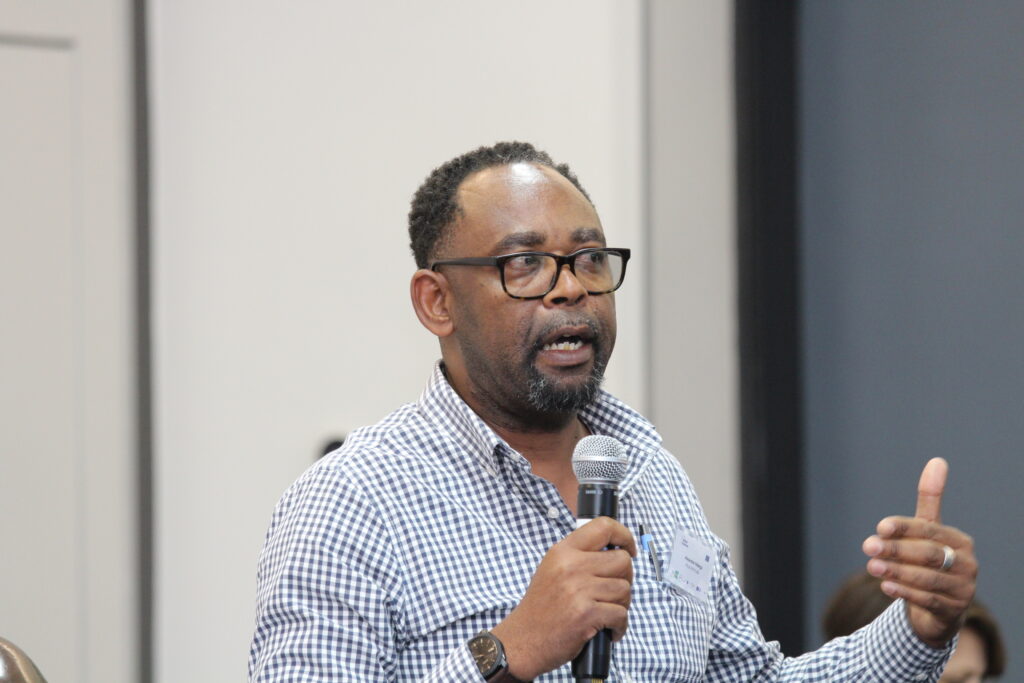
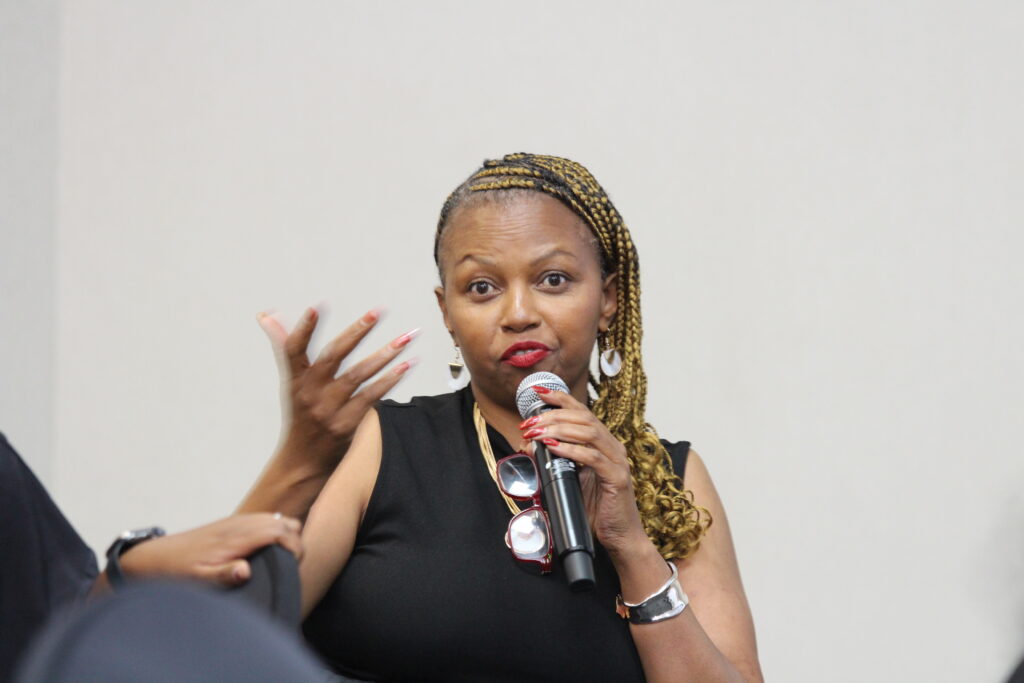
On 20 February, we joined key stakeholders, innovators, and ecosystem leaders at the “Advancing Entrepreneurship Support Organisations in Southern Africa: Models, Gaps and Pathways” workshop, hosted at Protea Hotels by Marriott® Gaborone Masa Square. The gathering created an important platform to reflect on the role of Entrepreneurship Support Organisations (ESOs) and how they can be strengthened to better serve entrepreneurs across the region.
The discussions challenged a common perspective around entrepreneurship development. Instead of focusing only on the question of how we support startups, the workshop introduced a deeper and equally important question: Who supports the supporters?
Entrepreneurship Support Organisations (ESOs) play a critical role in building thriving innovation ecosystems. They are often the driving force behind startup growth, providing entrepreneurs with mentorship, training, connections, resources, and opportunities that help transform ideas into sustainable businesses.
However, while ESOs empower entrepreneurs, many of these organisations face their own challenges. Limited long-term funding models, fragmented networks, and dependency on short-term programmes can affect their ability to create lasting impact. For entrepreneurship ecosystems to truly grow, the organisations building these ecosystems must also be strengthened.
Through the Africa Europe Digital Innovation Bridge (AEDIB) initiative, led by ESTDEV, the workshop explored how entrepreneurship ecosystems can move beyond individual interventions and focus on developing stronger systems that support innovation over time.
The sessions encouraged participants to rethink the future of entrepreneurship support by exploring sustainable revenue models, stronger partnerships, improved governance structures, and approaches that build long-term capacity. The focus was not only on creating impact today, but ensuring that the systems behind that impact remain resilient for the future.
A major takeaway from the workshop was that innovation is not only about developing new technologies, launching startups, or creating new solutions. Sometimes, the most powerful innovation comes from redesigning the environment that allows innovation to exist and grow.
We are proud to have been part of this important conversation contributing to the development of stronger, smarter, and more sustainable entrepreneurship ecosystems across Botswana, Zambia, and Namibia.